Is chewing gum plastic?

From social media to news articles, people have been asking the question: is chewing gum plastic?
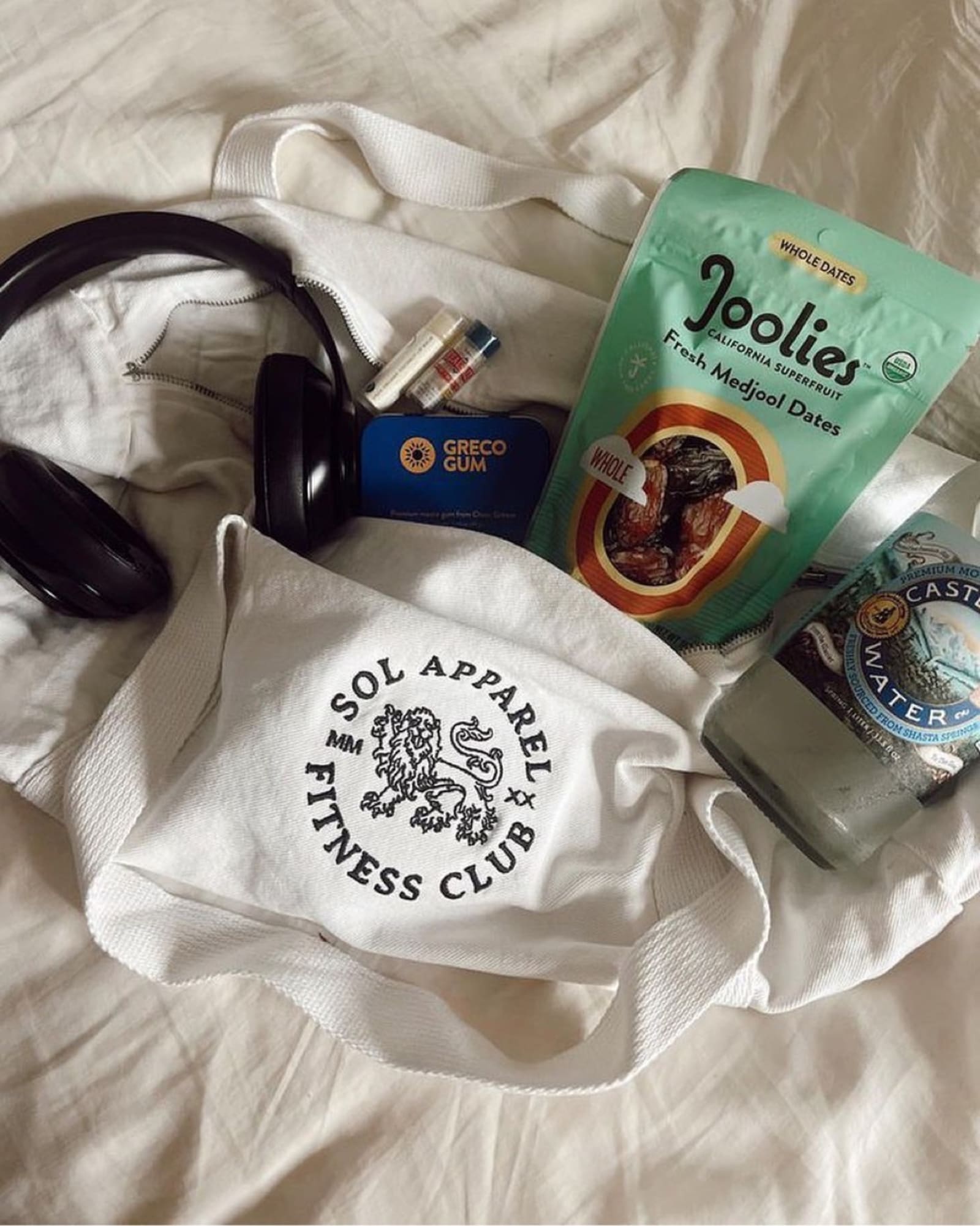
Most are, but a few, like Greco Gum, are plastic-free.
Many chewing gum bases contain synthetic plastic polymers like polyethylene, polyisobutylene, polyvinyl acetate, and butadiene-styrene rubber.1
But a few gums, namely mastic, chicle, and spruce gum, use natural resin rather than any plastics. These resin-based gums were chewed for millennia before synthetic additives made an appearance in the mid-20th century. Our comprehensive blog post on the history of chewing gum goes into more detail.
What “plastic” gum base actually means
Modern commercial chewing gums are typically made of gum base.
The ingredients vary slightly for each chewing gum, but anything made from gum base likely contains an assortment of plastic polymers.2
- Polyethylene: used in plastic bottles and bags
- Polyisobutylene: found in adhesives and lubricants
- Polyvinyl acetate: commonly known as wood glue
- Butadiene-styrene rubber: used to make tires and footwear
This means that the same substance in the gum you chew is also in nonedible manufactured items. For a deeper dive into gum ingredients, read our ingredient breakdown.
Why a “gum base” label hides the real ingredients
“Gum base” is an intentionally ambiguous name. The FDA regulations list 46 approved substances under this umbrella term.1 The exact ingredients of a manufacturer’s gum base are usually kept secret. So when you see “gum base” on a label, it could include anything on the FDA’s list. Some of the approved ingredients are various plastic polymers.
Manufacturers add synthetic ingredients, cheaper than natural resins, in order to achieve what most consumers consider the ideal chewing experience: a chewy but non-sticky gum that will hold its flavor and texture.
Do you ingest microplastics when you chew gum?
The research that sparked the discussion of plastic gum comes from a study from March 2025 by Lowe et al. Researchers analyzed saliva samples from participants who chewed gum and discovered that each gram of chewing gum may release up to 637 microplastics.3 After the first eight minutes of chewing, 94% of the total microplastics shed into saliva had been released.
Popular gum types from commercial US brands (five natural and five synthetic) were used. Synthetic and natural or plant-based chewing gums released a similar number of microplastics, mainly polyolefins, polyterephthalates (PET), polyacrylamides, and polystyrenes.3
The gums labeled and marketed as “natural” and “plant-based” actually contained microplastics from unknown sources. Most gums sold as “natural” still include additional ingredients along with the plant resin they advertise, which is a likely explanation for the study finding. Since labels can be deceptive, you have to know what to look for.
How to tell if a gum contains plastic from the label
When purchasing chewing gum, check the label for “gum base.” If that is listed, the gum could contain any of the previously mentioned polymers without having to explicitly label them.
You could be ingesting a number of plastics without even knowing what you’re putting into your body. Manufacturers aren’t required to go into detail on their ingredients as long as they list “gum base.” Since you have no way of knowing what exactly is in these chewing gums, the safest option is to avoid gum base entirely.
The natural-resin alternatives

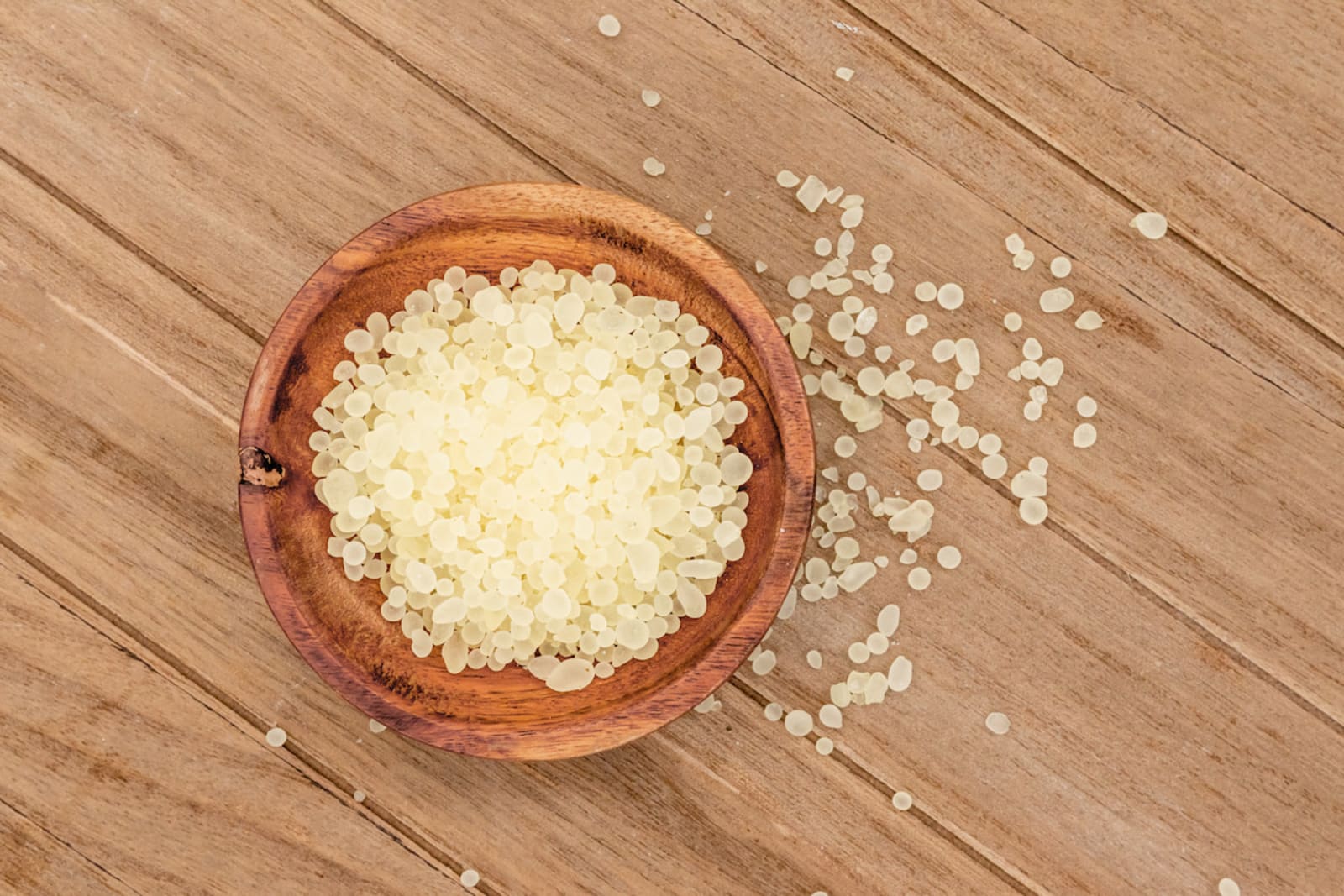
Instead of synthetic chewing gums, look for resin gums. They are usually 100% natural and unprocessed. The most popular option is mastic gum.
Greco Gum has one ingredient: Chios mastiha resin. It’s free from anything synthetic including gum base, plasticizers, and polymers. Along with being plastic-free, mastic gum has the added benefits of supporting gut health, oral health, and improving facial bone structure.
Other plastic-free resin options are chicle, harvested from the sapodilla tree, and spruce gum made from the resin of spruce trees. If you’re looking for a comparison of the best plastic-free chewing gums, visit our detailed breakdown.
Avoiding gum base doesn’t have to mean never chewing gum again. If you want gum you can actually chew safely, we offer Chios mastic gum as both nuggets and droplets:
This article originally appeared online in 2026; it was most recently updated on April 21, 2026, to include current information.

Beatrix Turajski
Beatrix is a health and wellness writer with two blogs and a special passion for mental health, fitness, and nutrition. Her career has taken her from creative writing to interning to freelancing.
References
-
Code of Federal Regulations, title 21, sec. 172.615, “Chewing Gum Base.” Accessed April 18, 2026. ecfr.gov. ↩ ↩2
-
“What is in chewing gum?” Science Focus. Accessed April 18, 2026. sciencefocus.com. ↩
-
Lowe, L., J. Leonard, S. Mohanty. “Ingestion of microplastics during chewing gum consumption.” Journal of Hazardous Materials Letters 127, (2025): 100164. doi.org. ↩ ↩2